
FDM MATERIALS
MATERIAL LIST
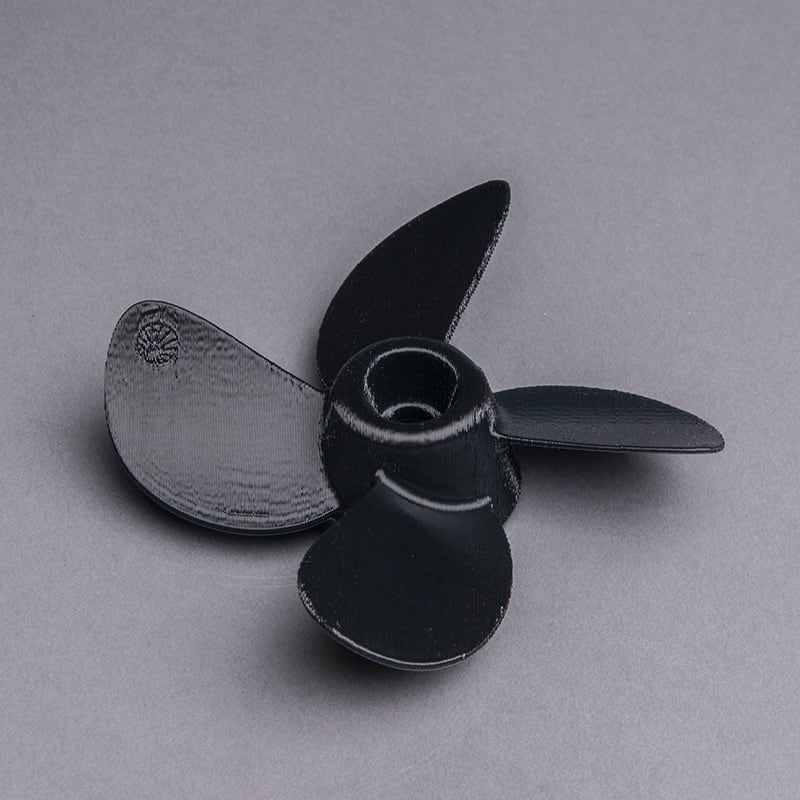
ASA
ASA provides consistently high-quality, production grade parts with exceptional UV stability and the best aesthetics of any FDM thermoplastic; ASA is poised to become the most popular all-purpose material. Matching or exceeding the mechanical properties of ABS, its UV-resistance makes it especially suited in end-use parts for outdoor commercial and infrastructure use, and its wide selection of colors and matte finish makes it ideal for attractive prototypes in consumer sporting goods, tools and automotive components.


ABS-M30
ABS-M30 is up to 25-70 percent stronger than standard Stratasys ABS and is an ideal material for conceptual modeling, functional prototyping, manufacturing tools, and end-use-parts. ABS-M30 has greater tensile, impact, and flexural strength than standard ABS. Layer bonding is significantly stronger than that of standard ABS, for a more durable part and resulting in more realistic functional tests and higher quality parts for end use.
ABS-M30i
This high strength material is well suited for the medical, pharmaceutical, and food packaging industries. ABS-M30i produces parts that are biocompatible (ISO 10993 USP Class VI)* and can be gamma or EtO sterilized. Also boasts excellent mechanical properties that are well suited for conceptual modeling, functional prototyping, manufacturing tools and production parts.
*It is the responsibility of the finished device manufacturer to determine the suitability of all the component parts and materials used in their finished products.
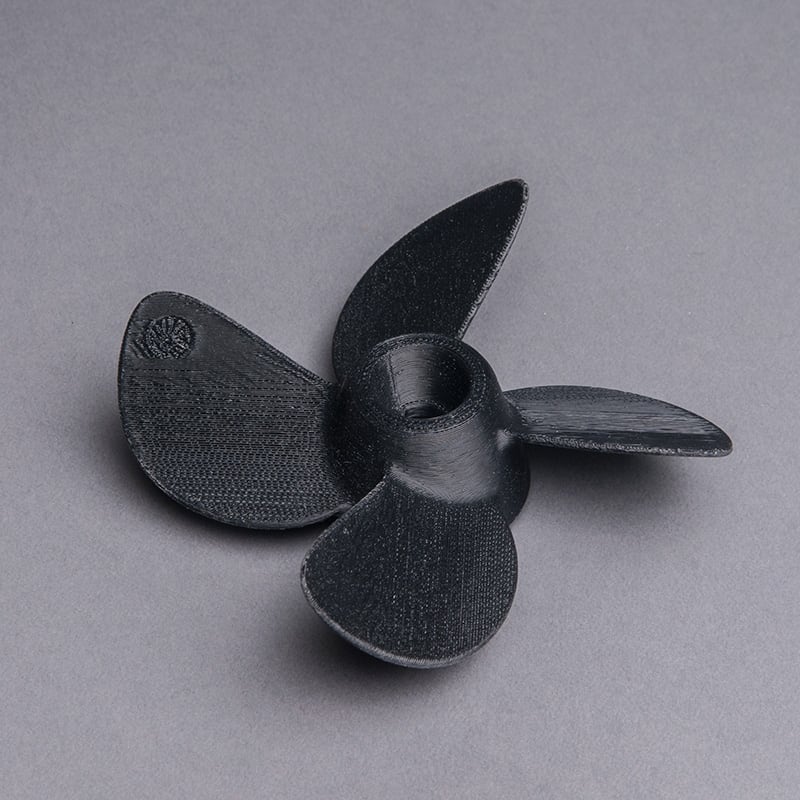
ABS-ESD7
ABS-ESD7 (acrylonitrile butadiene styrene-electrostatic dissipative) is an ABS thermoplastic with static dissipative properties for applications where a static charge can damage products, impair their performance, or cause an explosion. ABS-ESD7 prevents a buildup of static electricity, so it will not produce a static shock or cause other materials like powders, dust, and fine particles to stick to it. Ideal for electronic products with circuit boards and for the transportation and industrial equipment industries.
Nylon 6
Combines strength and toughness superior to other FDM thermoplastics and produces strong parts and longer-lasting tooling. Nylon 6 enables rapid creation of durable, functional prototypes and manufacturing aids with a clean finish and high break resistance. Nylon 6 excels in automotive, aerospace, consumer goods and industrial manufacturing.
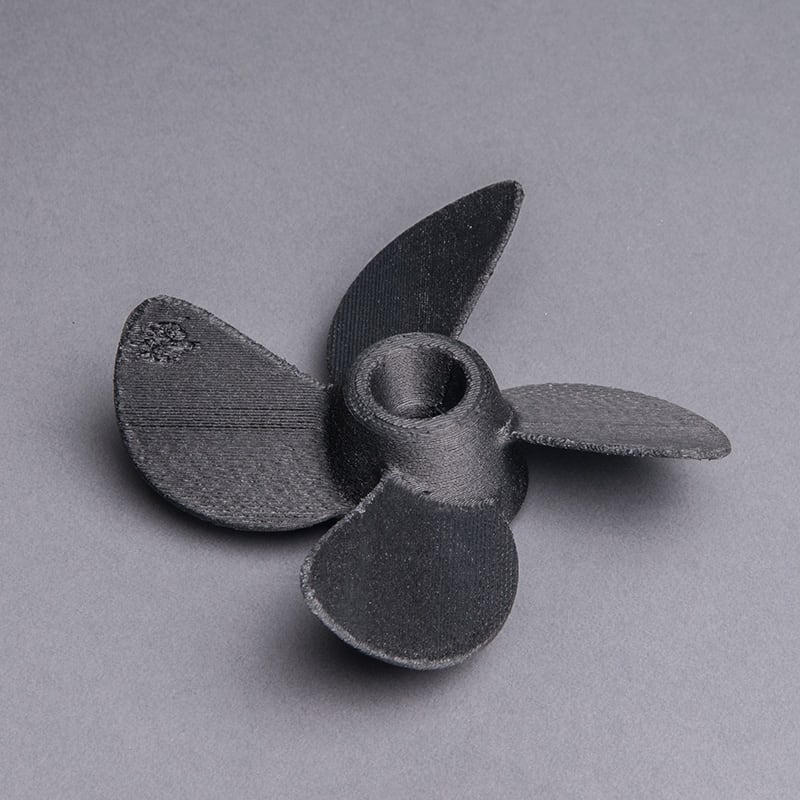
Nylon 12
FDM® Nylon 12 enables new applications requiring repetitive snap fits, high fatigue resistance, strong chemical resistance and press (friction) fit inserts. Nylon 12 is primarily used in aerospace, automotive and consumer goods industries to take on everything from tooling, jigs and fixtures to covers, panels and vibration resistant components. FDM Nylon 12 offers unparalleled toughness and a simple, clean process - free of powders.
Nylon 12CF
A blend of Nylon 12 resin and chopped carbon fiber. One of the strongest FDM materials - has excellent structural characteristics, as well as the highest flexural strength and highest stiffness-to-weight ratio of any FDM thermoplastics. Used for functional prototypes in aerospace, automotive, industrial, and recreational industries, and ideal for strong but lightweight tooling applications.
ST-130 (Sacrificial Tooling Material)
A model material for sacrificial tooling that simplifies the production of hollow composite parts, and allows complex tools to be 3D printed and easily dissolved after curing. This eliminates the need for secondary processes like mold making and speeds the development of composite structures. ST-130 is engineered specifically for sacrificial tooling, and can withstand the heat and pressure of autoclave curing.
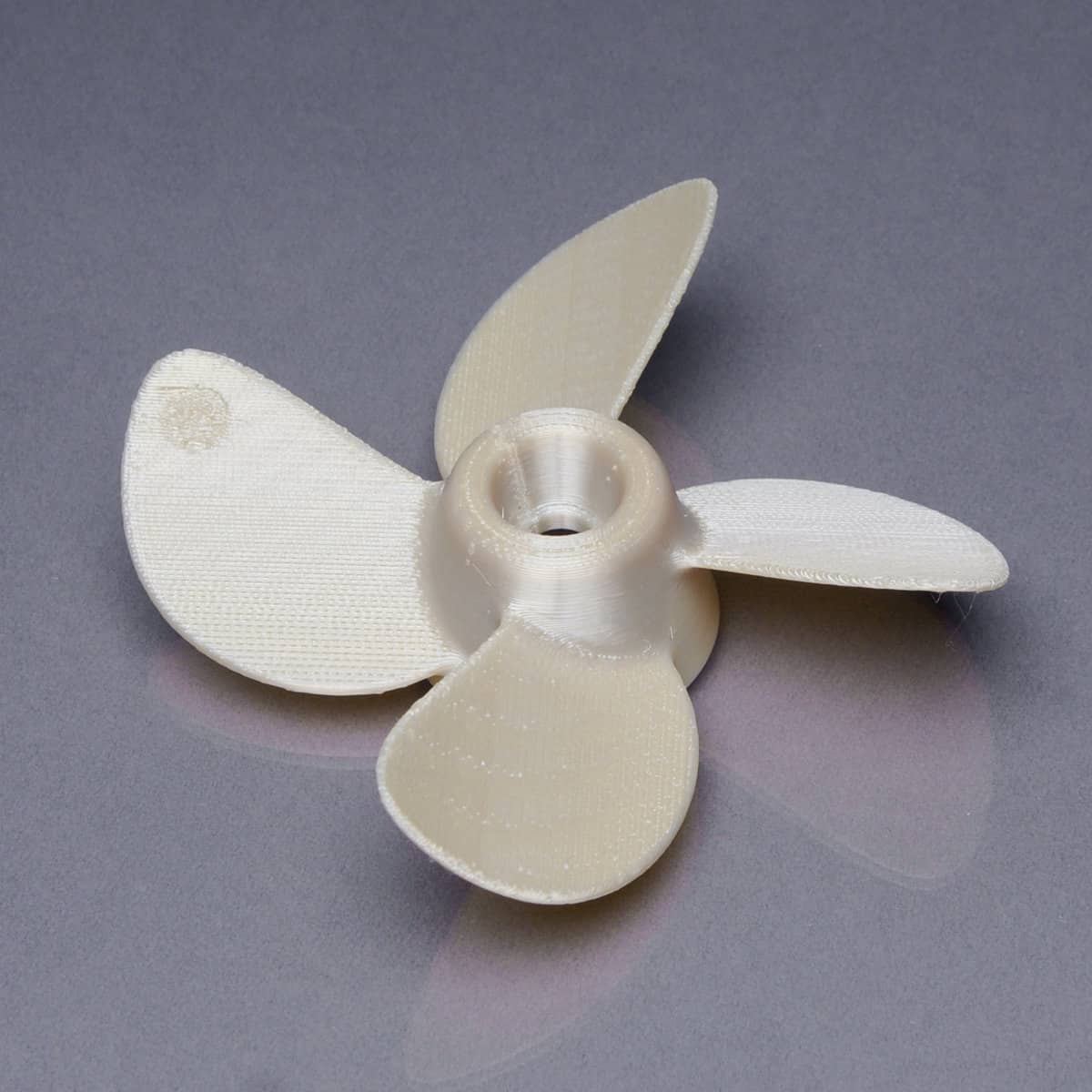
ULTEM 9085
ULTEM 9085 is a flame retardant high performance thermoplastic for direct digital manufacturing and rapid prototyping. It is ideal for the transportation industry due to its high strength-to-weight ratio and its FST (flame, smoke, and toxicity) rating. This unique material's preexisting certifications make it an excellent choice for the commercial transportation industry - especially aerospace, marine and ground vehicles.
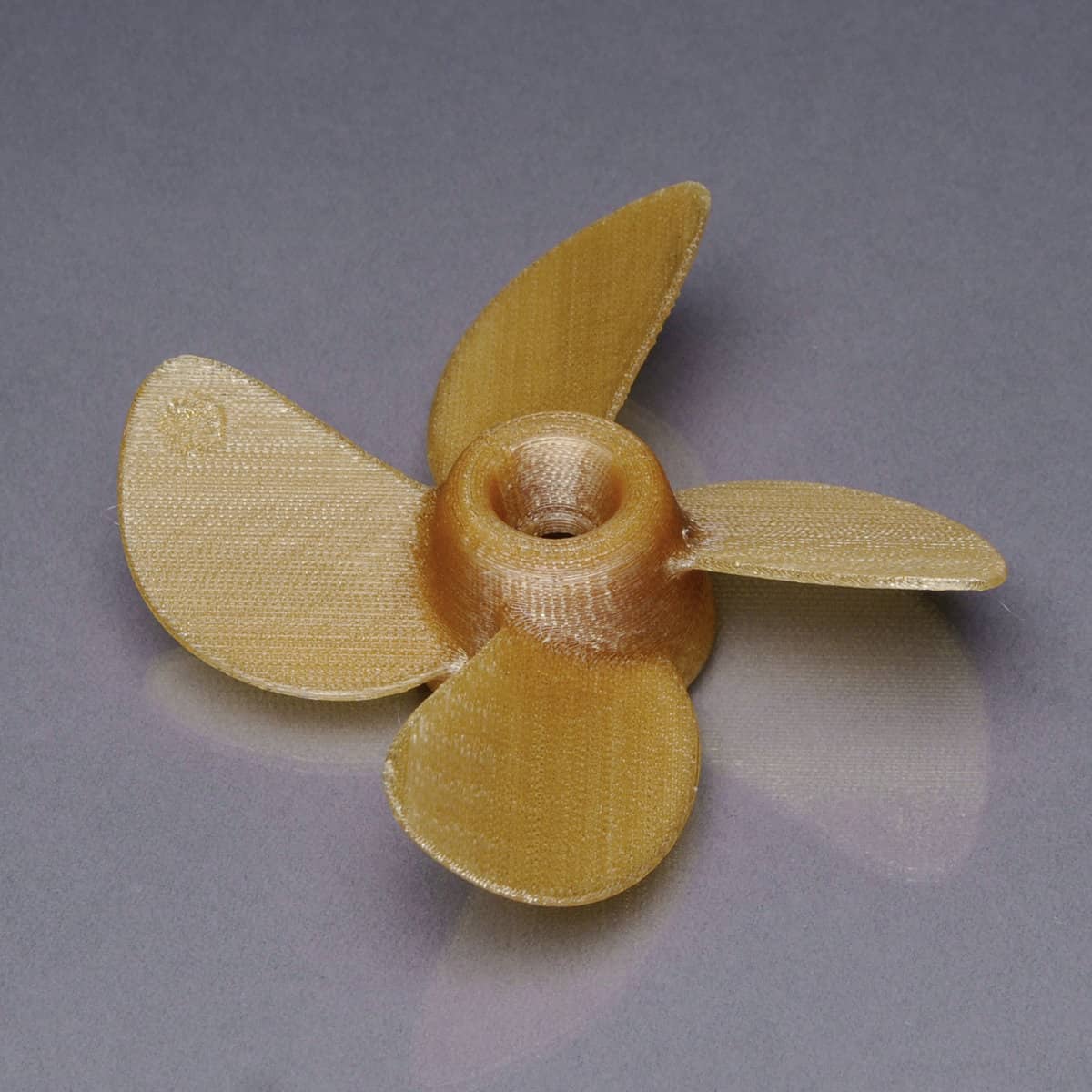
ULTEM 1010
ULTEM 1010's outstanding strength and thermal stability make it ideal for advanced tooling and prototyping applications in the automotive, aerospace, medical and food-production industries. Its food-contact and biocompatibility certifications expand the use of additive manufacturing into applications like custom food-production tools and autoclave-sterilizable medical devices.
ANTERO 800NA
A PEKK-based FDM thermoplastic that combines FDM's design freedom and ease of use with the excellent strength, toughness, and wear-resistant properties of PEKK material. This material boasts high heat resistance, chemical resistance, low outgassing, and dimensional stability - particularly in large parts. Applications include aircraft components exposed to jet fuel, oil, and hydraulic fluid, as well as spacecraft parts that demand low outgassing and chemical-resistant industrial parts.
PC-ABS
PC-ABS (polycarbonate-ABS) is one of the most widely used industrial thermoplastics. PC-ABS offers the most desirable properties of both materials - the superior strength and heat resistance of PC and the flexibility of ABS. PC-ABS blends are commonly used in automotive, electronics and telecommunications applications. PC-ABS parts are great for conceptual modeling, functional prototyping, manufacturing tools, and end-use-parts.
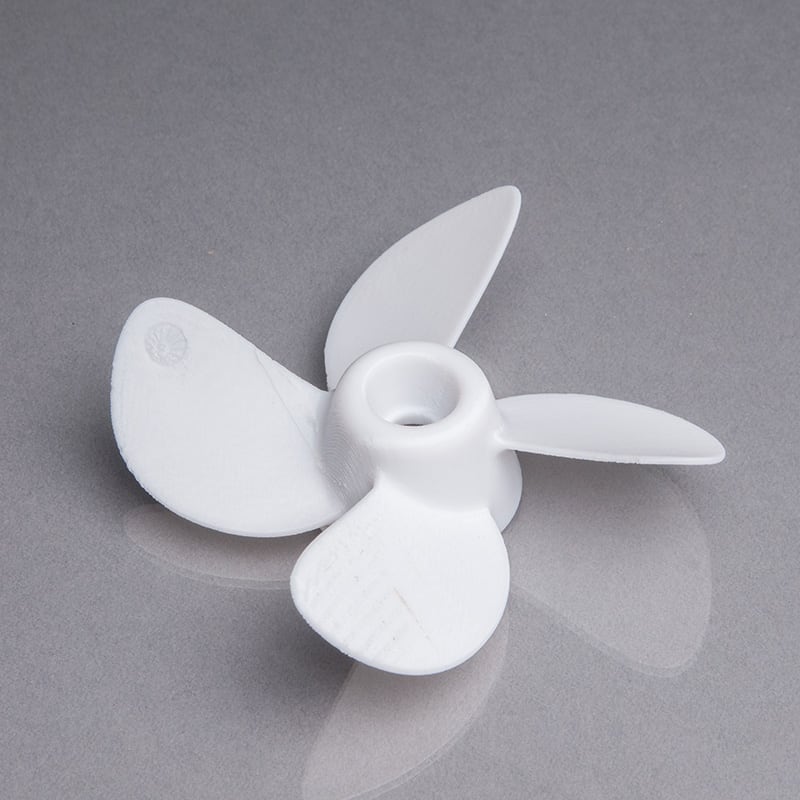
PC (polycarbonate)
A true industrial thermoplastic, PC (polycarbonate) is widely used in automotive, aerospace, medical and many other applications. PC offers accuracy, durability, and stability, creating strong parts that withstand functional testing. It also has superior mechanical properties to ABS and a number of other thermoplastics. PC produces parts that are great for conceptual modeling, functional prototyping, manufacturing tools, and end-use-parts.
PC-ISO
PC-ISO (polycarbonate-ISO), an industrial thermoplastic, which in its raw state, is biocompatible (ISO 10993 USP Class VI) and can be gamma or EtO sterilized. Commonly used in food and drug packaging and medical device manufacturing because of the material's strength and medical compatibility. Produces real parts that can be used for conceptual modeling, functional prototyping, and end-use parts.
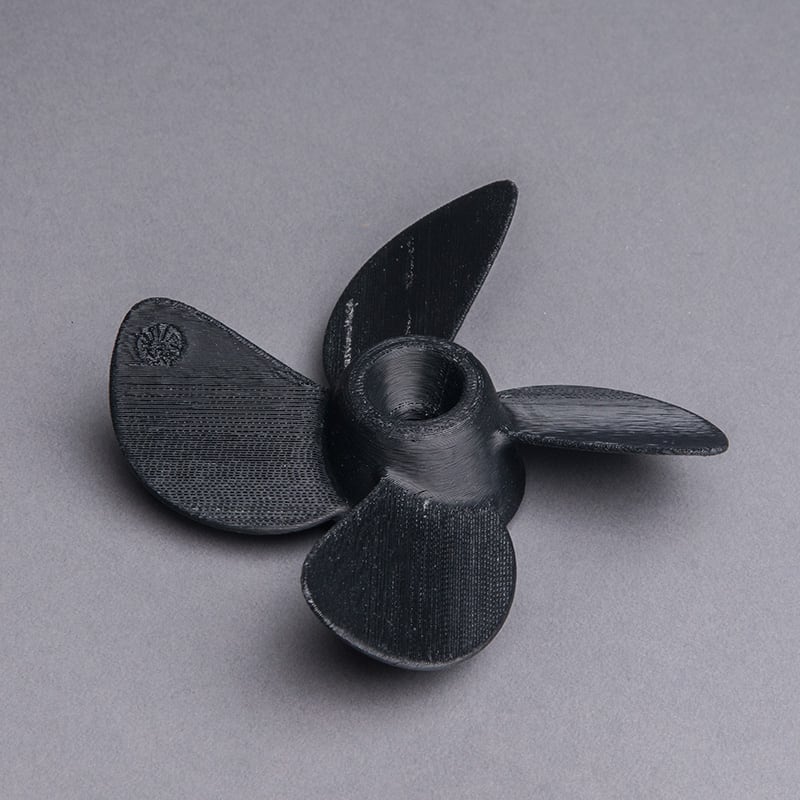
FDM RESOLUTION IMAGES
TECHNICAL DATA COMPARISON CHART
| Material | Unique Property | Available Colors | Tensile Strength | Tensile Elongation | Flexural Strength | IZOD Impact, notched | Heat Deflection @ 66 psi |
| ABS-M30 | Stronger than ABS |
|
5,200 psi (36 MPa) |
4.0% | 8,800 psi (61 MPa) |
2.6ft-lb/in (139 J/m) |
204°F (96°C) |
| ABS-ESD7 | Static Dissipative |
|
5,200 psi (36 MPa) |
3% | 8,800 psi (61 MPa) |
2.1 ft-lb/in (111 J/m) |
204°F (96°C) |
| ASA | Best Aesthetics |
|
4,200 psi (29 MPa) |
9% | 8,700 psi (60 MPa) |
1.2 ft-lb/in (64 J/m) |
208°F (98°C) |
| Nylon 12 | High Fatigue Resistance |
|
7,700 psi (53 MPa) |
See sheet | 10,200 psi (70 Mpa) |
2.8 ft-lb/in (150 J/m) |
167°F (75°C) |
| PC | High Tensile Strength |
|
9,800 psi (68 MPa) |
4.8% | 15,100 psi (104 MPa) |
1.0ft-lb/in (53 J/m) |
280°F (138°C) |
| PC-ISO | ISO 10993-1 Certified, USP Class VI Classification 1, Medical Applications |
|
8,265 psi (57 MPa) |
4.3% | 13,089 psi (90 MPa) |
1.6ft-lb/in (86 J/m) |
271°F (133°C) |
| PC/ABS | Hightest Impact Resistance |
|
5,900 psi (41 MPa) |
6.0% | 9,800 psi (68 MPa) |
3.7ft-lb/in (196 J/m) |
230°F (110°C) |
| ULTEM 9085 | Flame, Smoke, Toxicity (FST) Certified |
|
10,390 psi (71.64 MPa) |
5.9% | 16,700 psi (115.1 MPa) |
2.0ft-lb/in (106 J/m) |
307°F (153°C) |
| ULTEM 1010 | Highest Heat / Chemical Resistance and Tensile Strength |
|
9,300 psi (64 MPa) |
3.3% | 21,000 psi (144 MPa) |
0.8 ft-lb/in (41 J/m) |
421°F (216°C) |
| PPSF | High Heat Resistance & Sterilizable |
|
8,000 psi (55 MPa) |
3.0% | 15,900 psi (110 MPa) |
1.1ft-lb/in (58.73 J/m) |
372°F (189°C) |
Need sealant? Click here for info on our EPOXY PENETRATING SEALING AND COATING RESIN SYSTEM.
